About Me
I am an undergraduate at MIT studying Physics and Artificial Intelligence & Decision Making, expected to graduate in 2027. I am an undergraduate researcher in Professor Kaiming He’s group, where I have worked on computer vision, generative modeling and (most recently) multi-agent systems.
My research experience spans diffusion models, one-step image generation, and multimodal training. Alongside this work, I build training infrastructure, including JAX/TPU workflows, distributed optimization, and tools for managing research experiments. I am especially interested in large-scale model training and applying my research experience to build real-world AI products that benefit people broadly.
I am now seeking full-time Research Engineer or Machine Learning Engineer roles, with particular interest in teams working on agents, multimodal models, or training infrastructure. Please feel free to reach out about relevant opportunities or collaborations.
Beyond academics, I also enjoy engaging with people who share similar interests and chatting about anything from research ideas to life experiences. Feel free to reach out if you’d like to connect!
My resume is linked here.
Publications & Projects
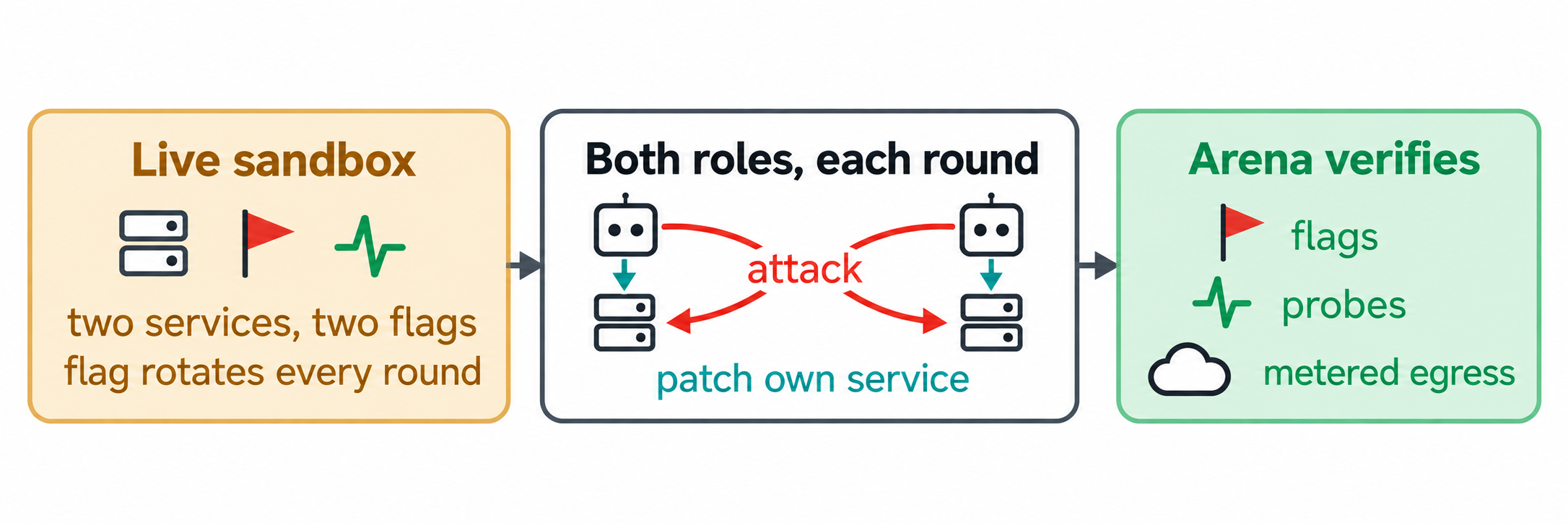
CyberArena: Benchmarking AI Agents in Live Symmetric Attack-and-Defense Combat
B. Liu*, J. Tu*, Y. Pan*, H. Zhao*, Z. Ye, H. Li, et al.
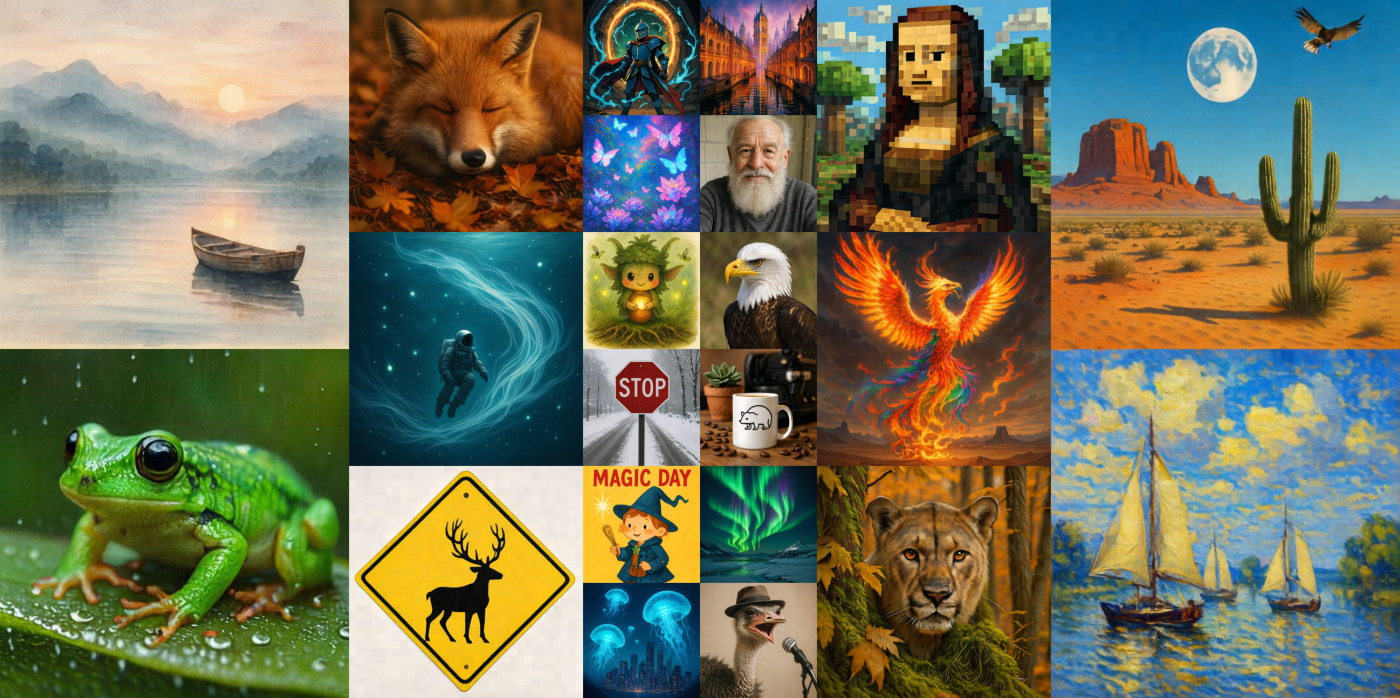
MiniT2I: A Minimalist Baseline for Text-to-Image Generation
X. Wang*, H. Zhao*, Y. Lu*, K. Zhou, L. Ma, and K. He
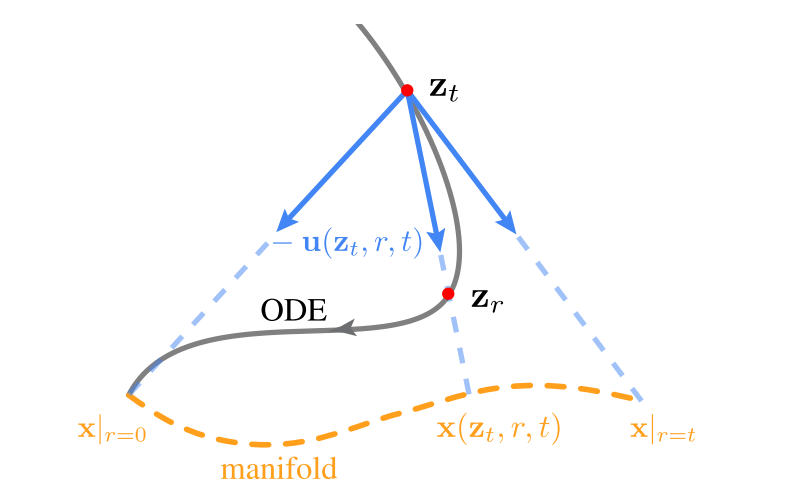
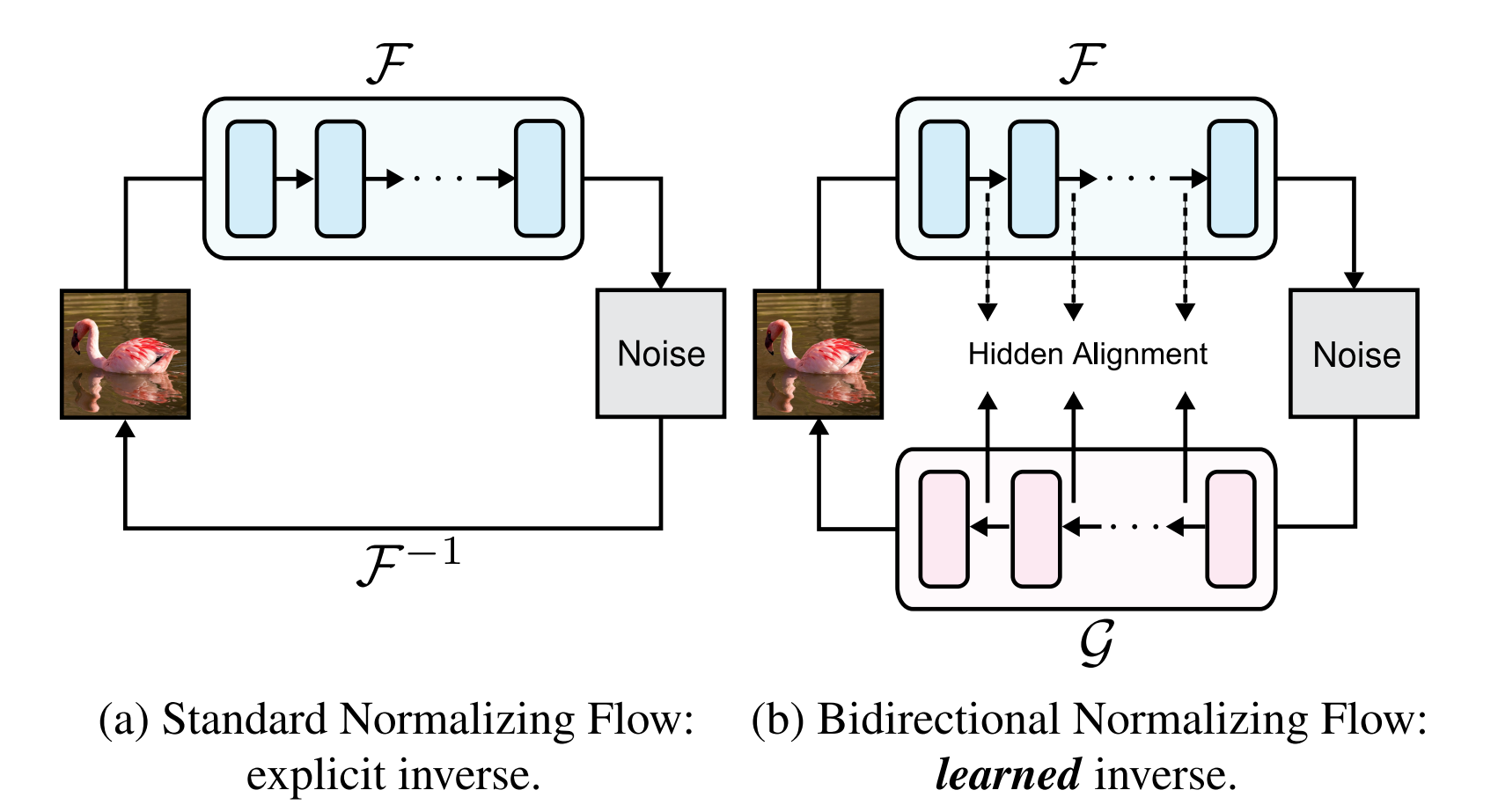
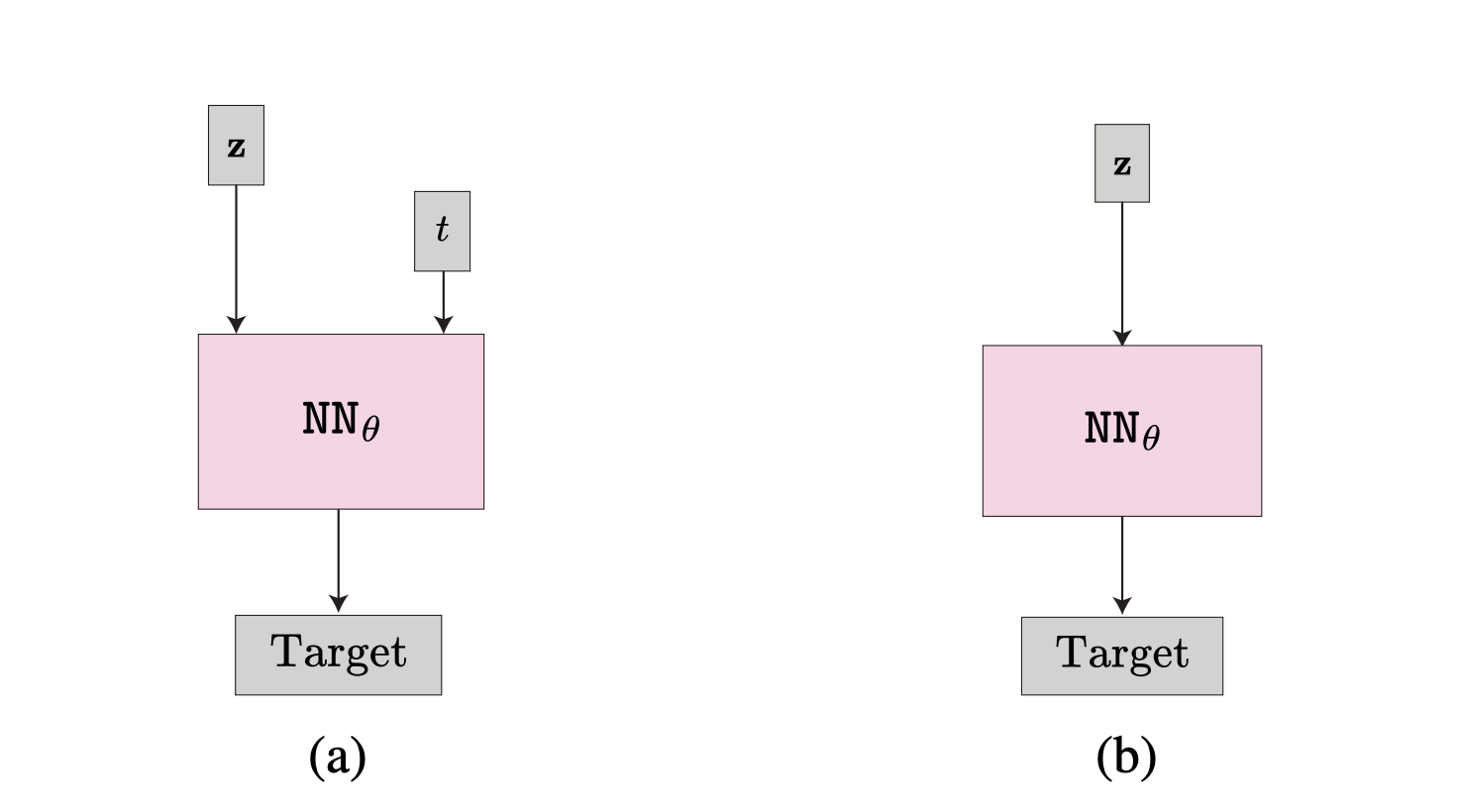
Other Projects
-
An overview of my works in 2025-2026, prepared on September 23, 2026. [Slides (PDF)]
-
Sparkie — A teammate in your meeting
This is our project for HackMIT 2026. We built Sparkie, a voice agent that joins Zoom meetings, follows the discussion, and works on files in the background while the team keeps talking. Our project page includes a demo and a look at the interface, and the source code on GitHub shows how we connect speech, meeting context, and task execution.
-
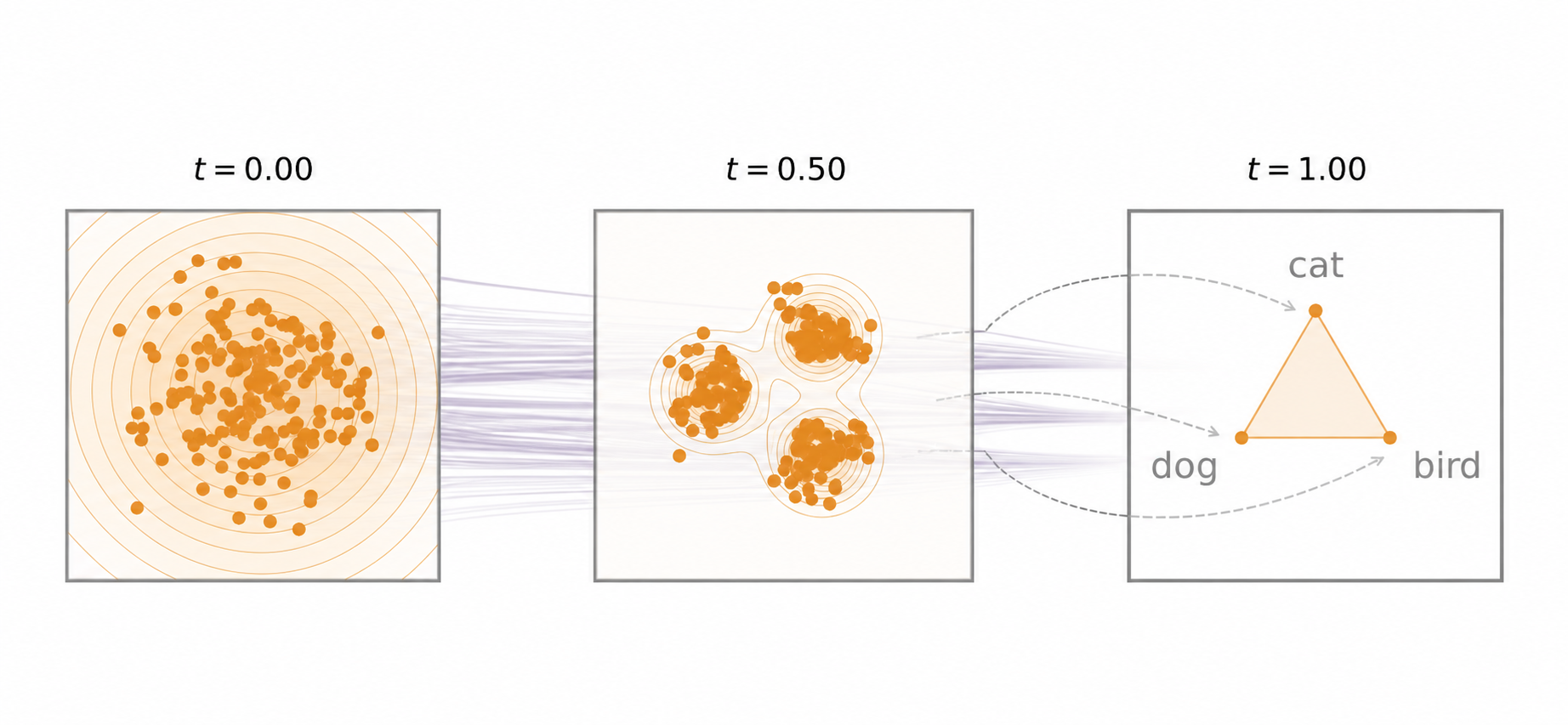
Speeding Up Diffusion Models with One-step Generators
This is the final project for the seminar course 6.S978: Deep Generative Models at MIT. In the project, we proposed a new method to speed up the training of diffusion models by using one-step generators. On toy experiments, this reduces NFE by half while maintaining the sample quality. We also wrote a blog post, explaining the motivation of the experiment from a higher perspective.